
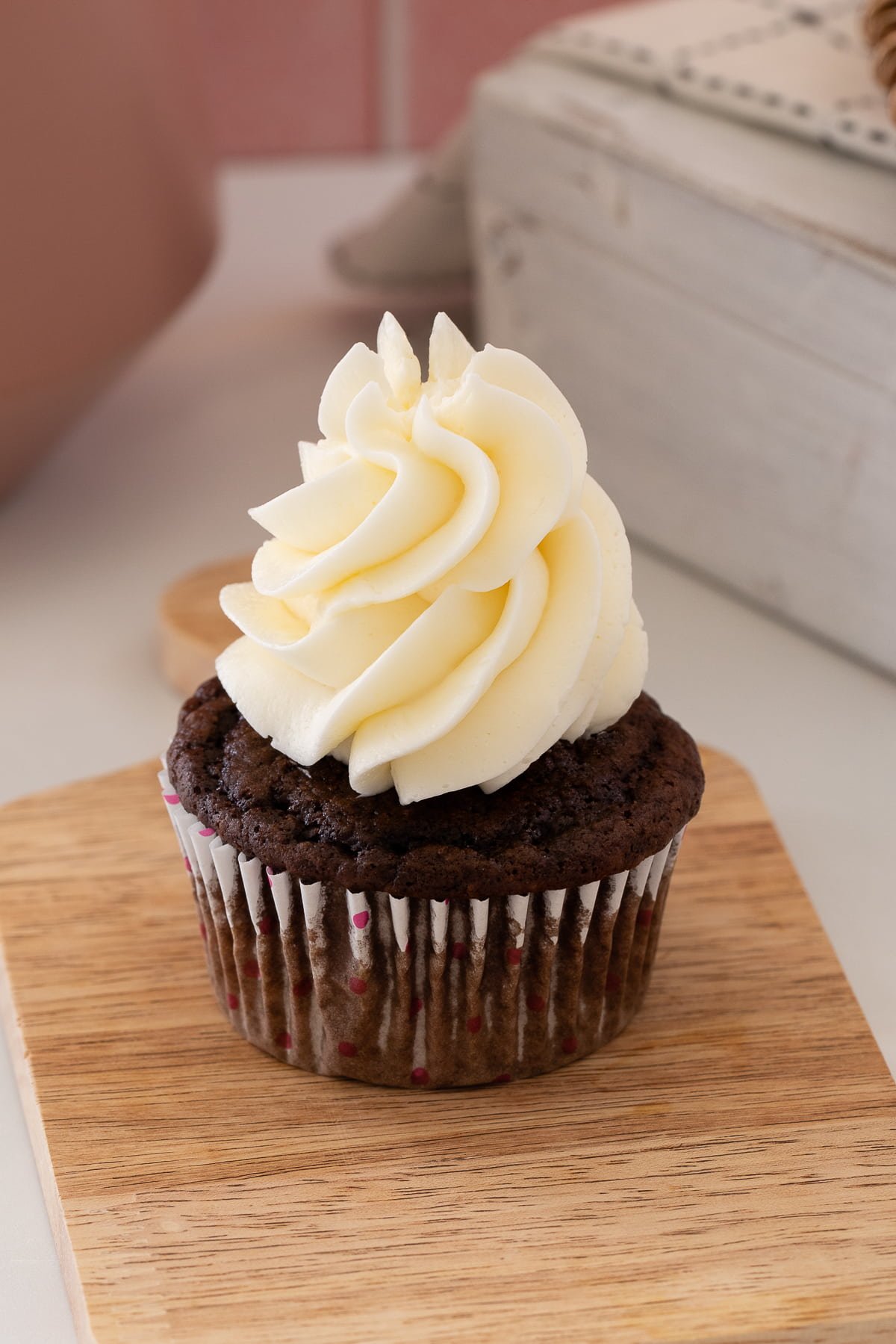
Italian meringue buttercream is a smooth, stable frosting made by whipping hot sugar syrup into egg whites, then finishing with butter for a light, silky texture. This Italian meringue buttercream recipe walks you through the exact temperatures, visual cues, and troubleshooting tips so you can make it successfully, even if it's your first time!
🔍 Quick Look: Italian Meringue Buttercream Frosting
⏱️ Prep Time: About 20 minutes
🔥 Cook Time: About 10 minutes
🕒 Total Time: About 45 minutes
🧁 Yield: Approximately 3 cups of frosting
🧂 Texture: Light, silky, and smooth
🎂 Best For: Layer cakes, cupcakes, special occasion cakes, and detailed piping
🧰 Tools Needed: Stand mixer, candy thermometer, saucepan
⭐ Difficulty: Intermediate (great if you want a stable, professional-style frosting)
Summarize and Save This Content On:
Italian meringue buttercream frosting is a smooth, stable frosting that belongs in every baker's frosting lineup. It is made by slowly pouring hot sugar syrup into whipped egg whites, then finishing with butter to create a silky, buttery texture with a light, balanced sweetness.
While it is similar to Swiss meringue buttercream in taste and consistency, Italian meringue is more stable thanks to the cooked sugar syrup. Compared to traditional American buttercream, which is mainly powdered sugar and butter, this frosting is noticeably lighter, less sweet, and completely smooth with no grainy texture.
❤️ Why you'll love this recipe
- Sweet but not overpowering: Balanced sweetness without the heavy sugar taste
- Light and silky smooth: Creamy texture that spreads and pipes beautifully
- More stable: Holds its shape and holds up to heat better than traditional American buttercream
Key Ingredients
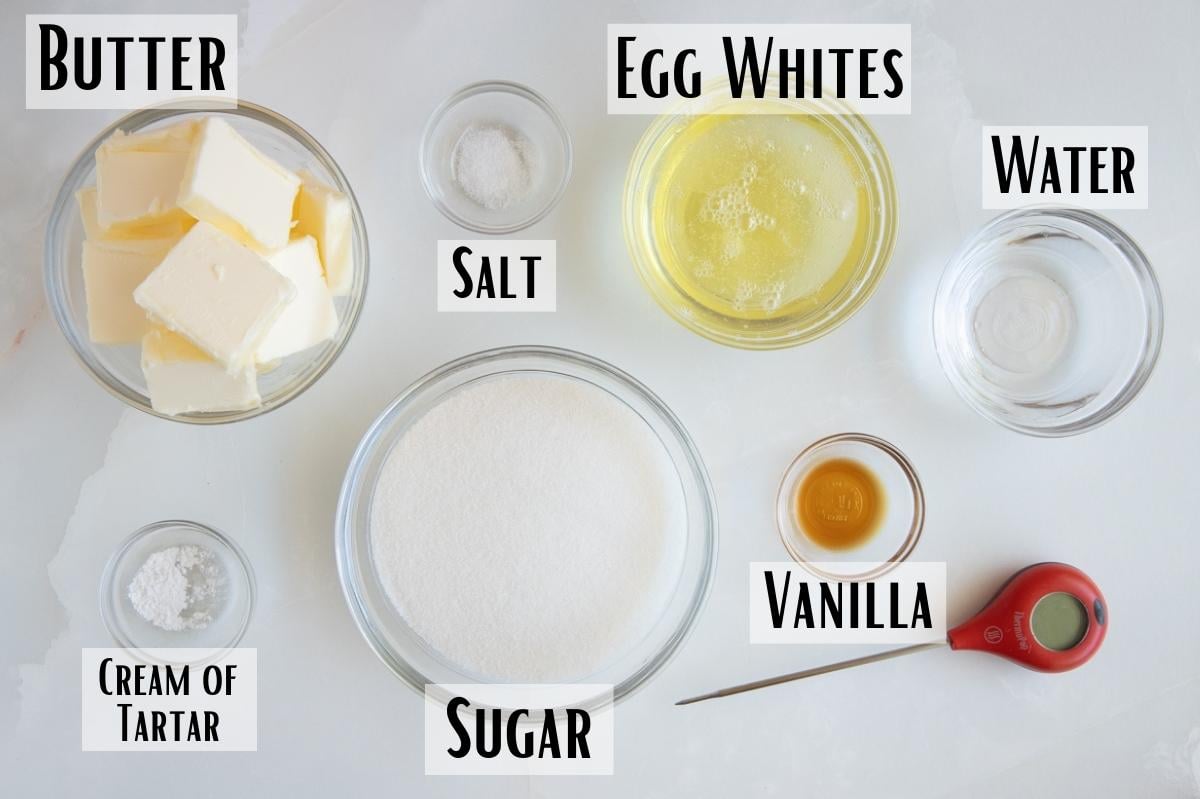
See the recipe card for a full list of ingredients and quantities.
- Egg Whites: Fresh egg whites work best and create the most stable meringue. Make sure no yolk is present, as fat can prevent the whites from whipping properly.
- Butter: both salted and unsalted butter will work in this recipe. If using salted butter, omit any added salt.
- Cream of Tartar: Cream of tartar helps stabilize the egg whites, making the meringue whip up stronger and more reliable.
Using a Candy Thermometer
A candy thermometer makes Italian meringue buttercream much more reliable. The sugar syrup must reach the soft-ball stage of about 235-240 ℉ so it blends smoothly into the egg whites. If you don't have a thermometer, test the syrup by dropping a small amount into cold water. It should form a soft, pliable ball. If it hardens, the syrup is too hot.
How to Make Italian Meringue Buttercream Frosting
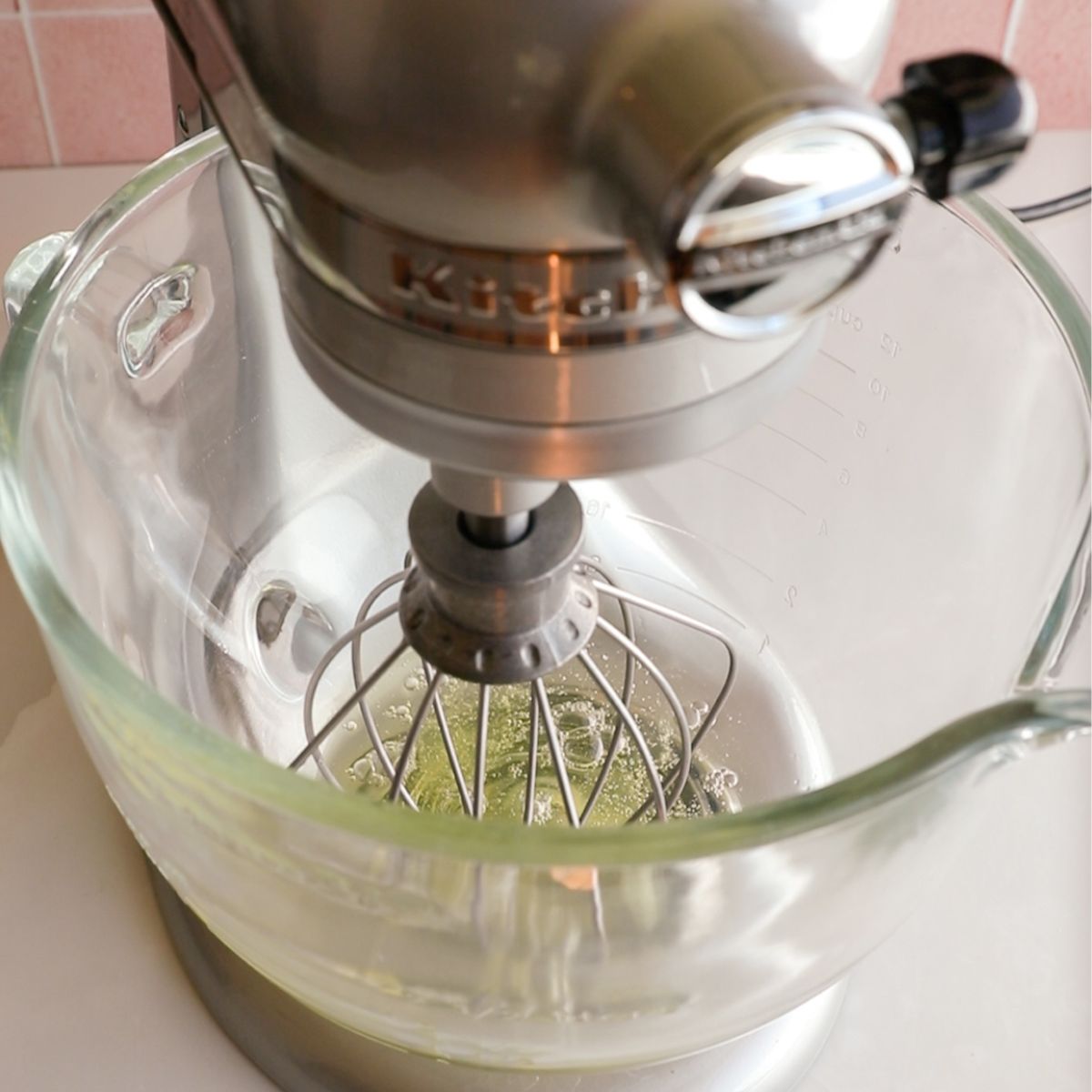
1. Add egg whites to the bowl of a standing mixer: Add the egg whites and cream of tartar to the bowl of a stand mixer fitted with the whisk attachment.
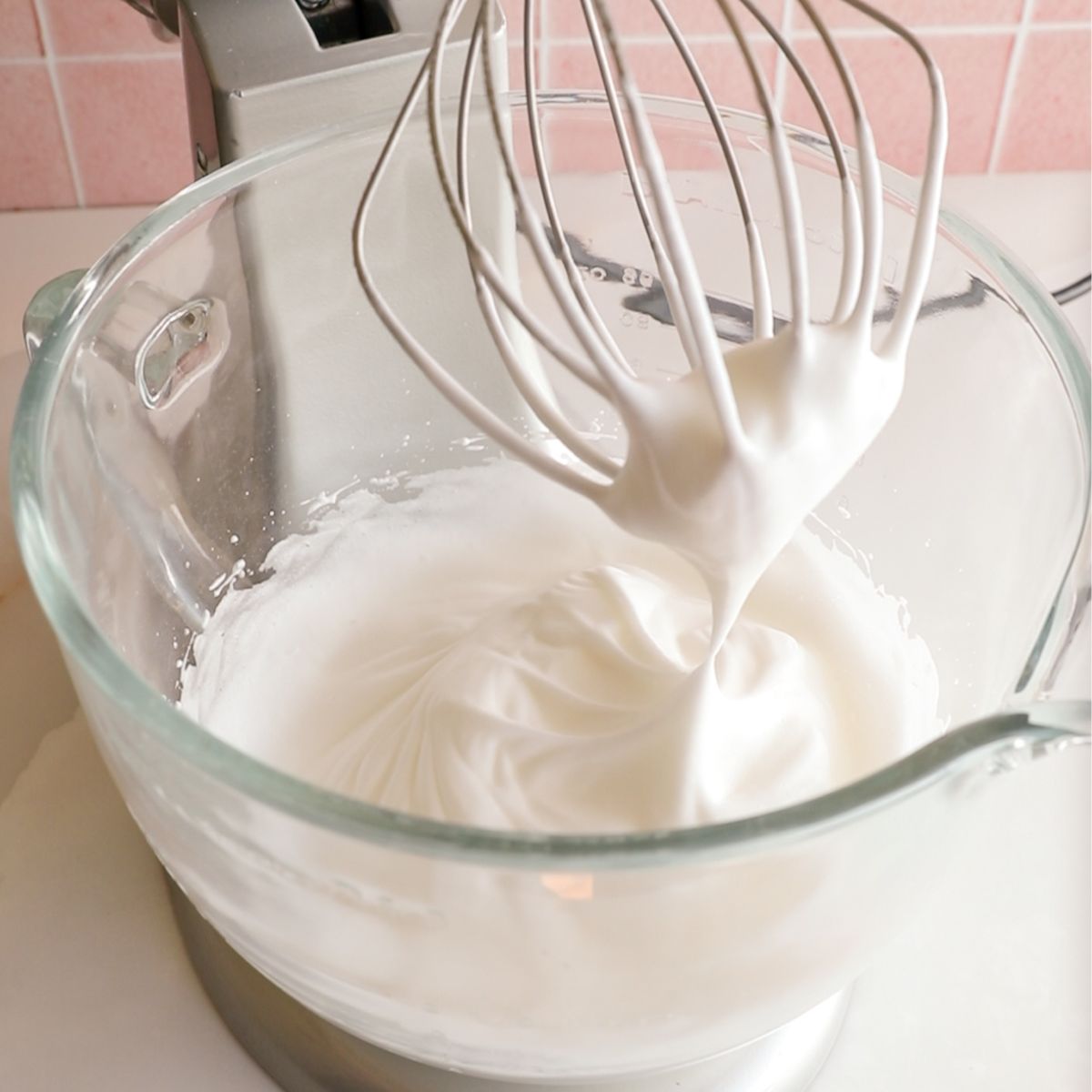
2. Whip egg whites: Whip on medium speed until frothy. Slowly add ¼ cup of the sugar and continue whipping until soft peaks form. While the eggs are beating, start heating the sugar syrup. You want them both done about the same time.
💫 Top Tip
If the egg whites reach stiff peaks prior to the sugar syrup reaching the right temperature, turn the mixer speed to the lowest setting and mix the egg whites on low until the syrup is done.
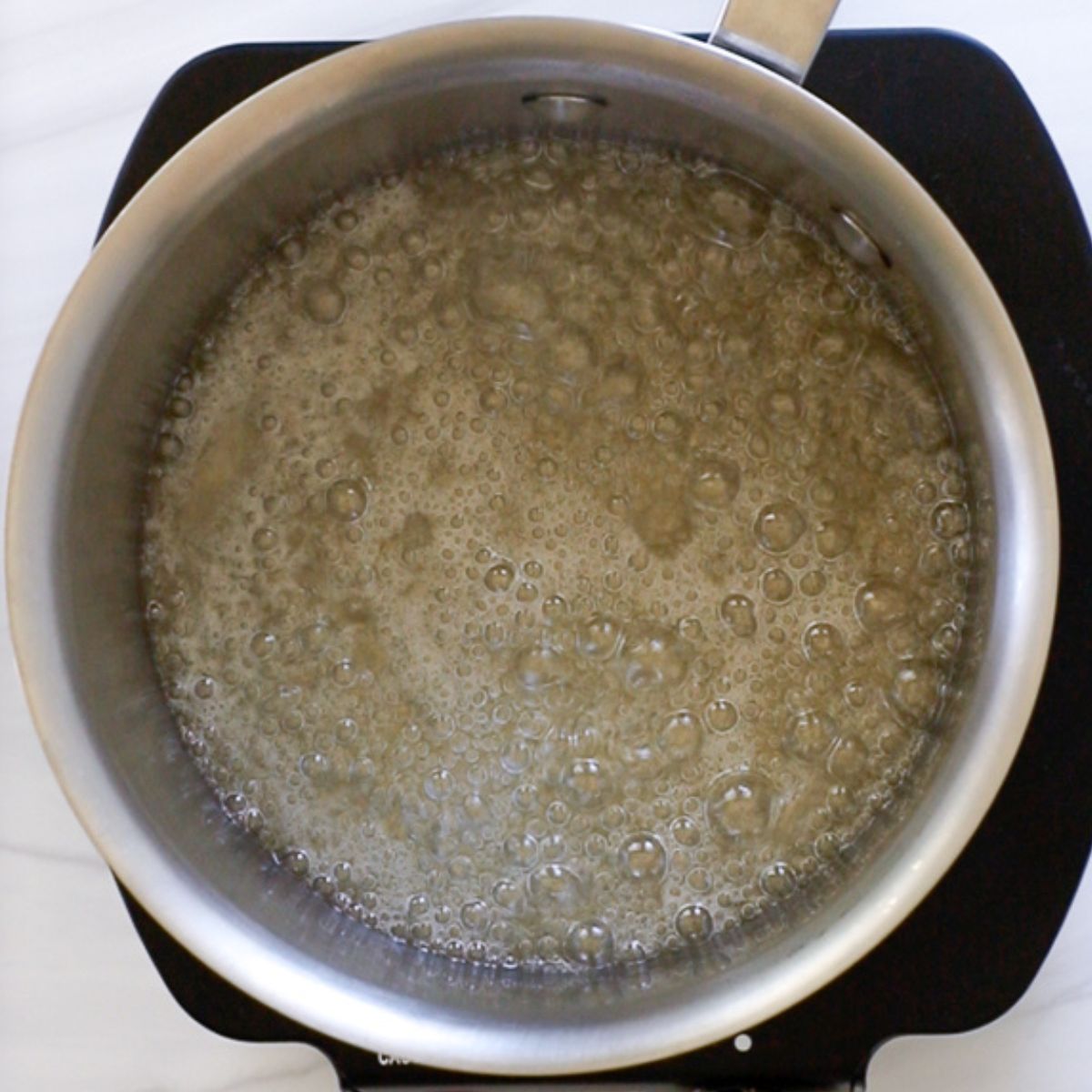
3. Cook Sugar Syrup: Add the remaining sugar and water to a saucepan. Cook over low heat until the sugar dissolves and the syrup is clear.
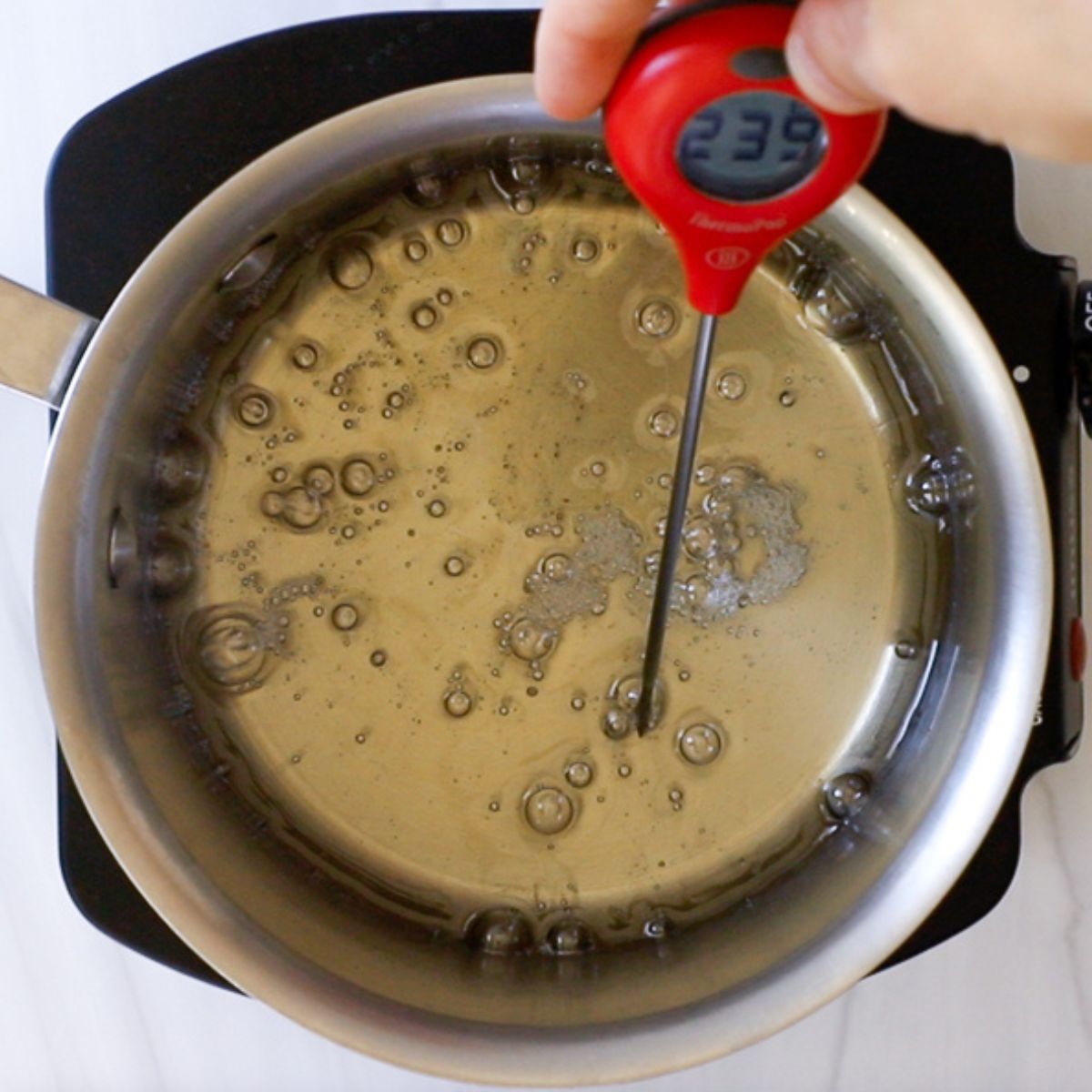
4. Increase Heat: Increase the heat to medium and cook without stirring until the syrup reaches 235-240°F (soft-ball stage). Once it hits the right temperature, immediately remove from heat.
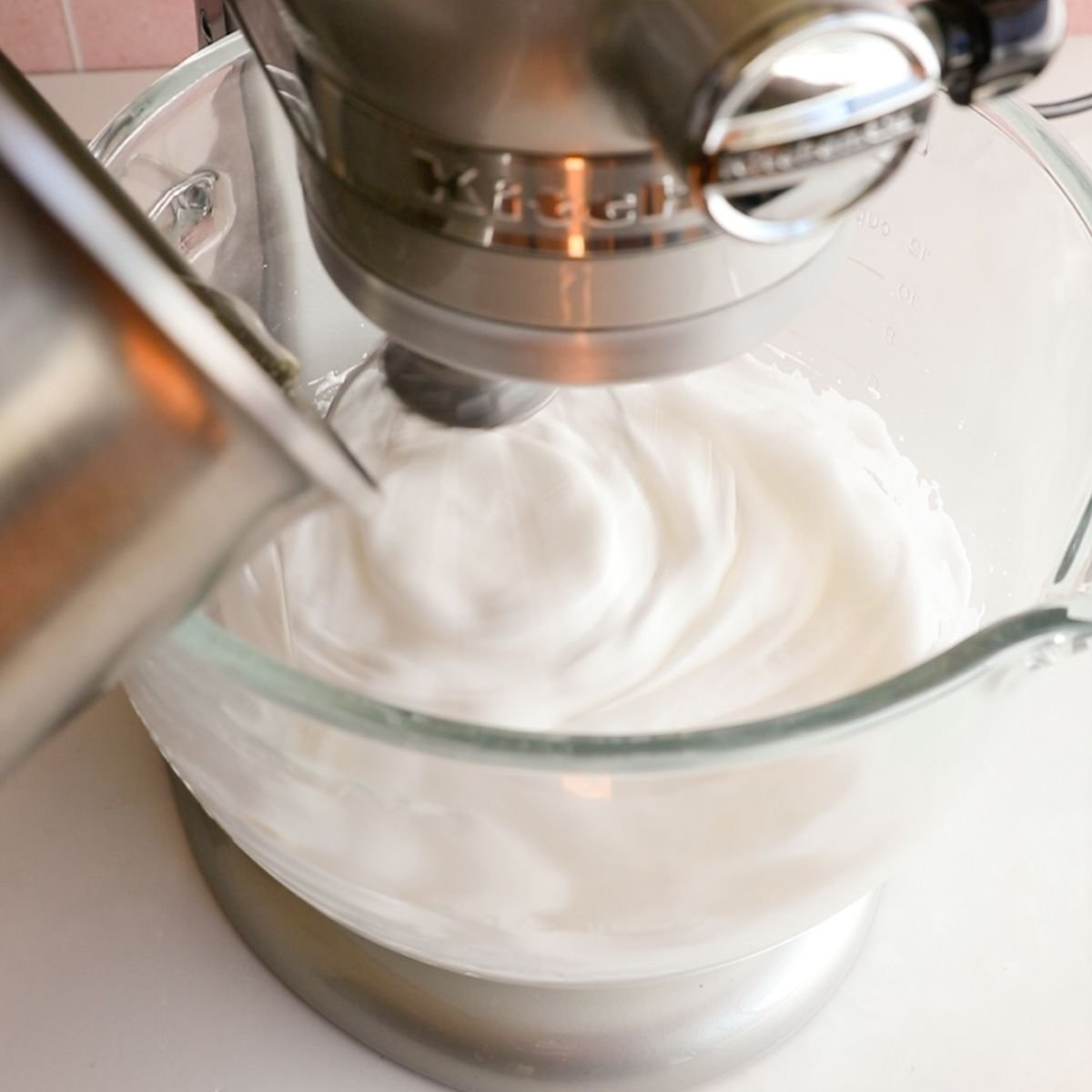
5. Add Syrup to Egg Whites: While mixing the egg whites on low, very slowly and carefully pour the hot sugar syrup down the sides of the bowl.
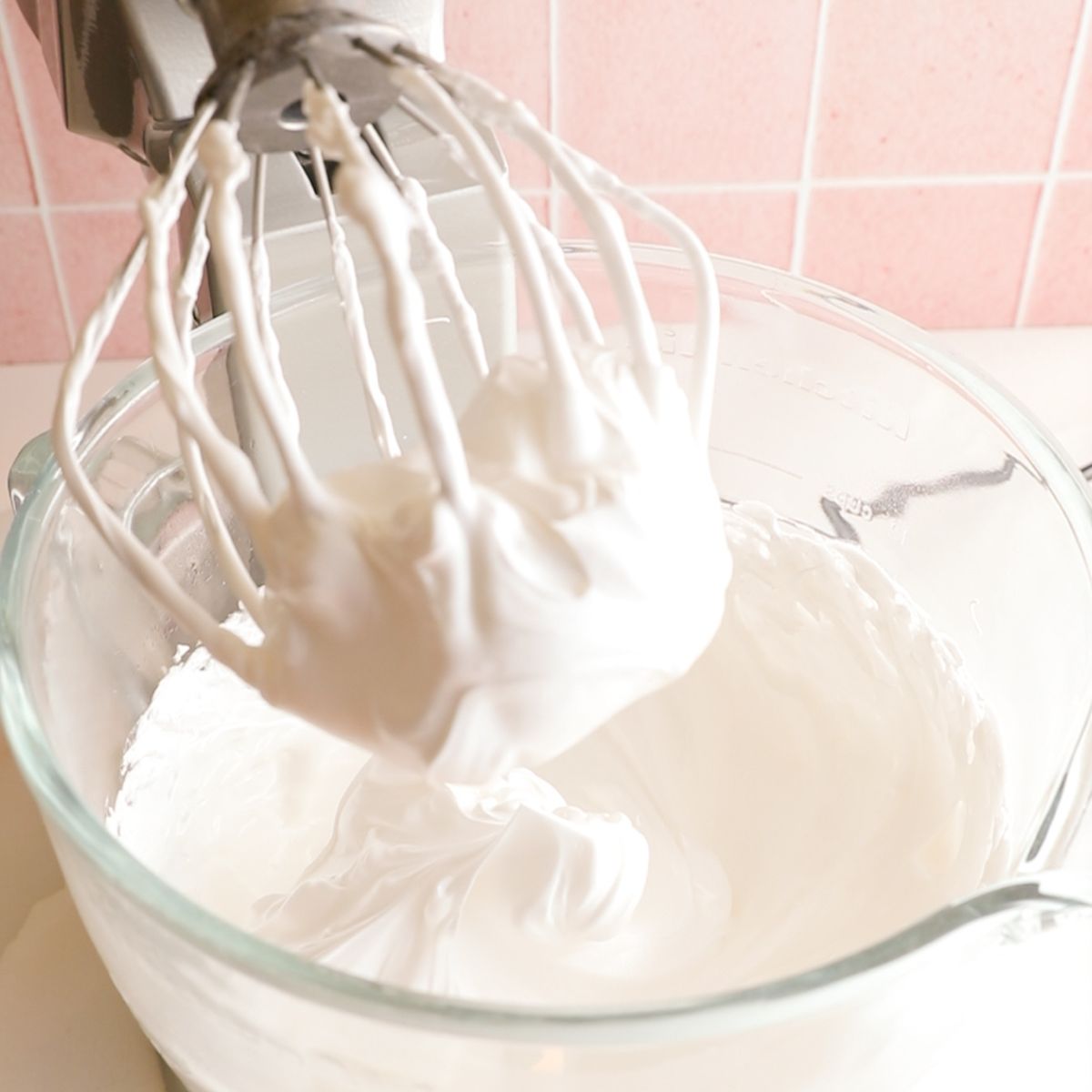
6. Whip Until Cool: Once you've added all the sugar syrup to the egg whites, turn up the speed to medium to medium-high and continue whipping the egg whites until they cool down completely and no longer warm to the touch, about 5-10 minutes.
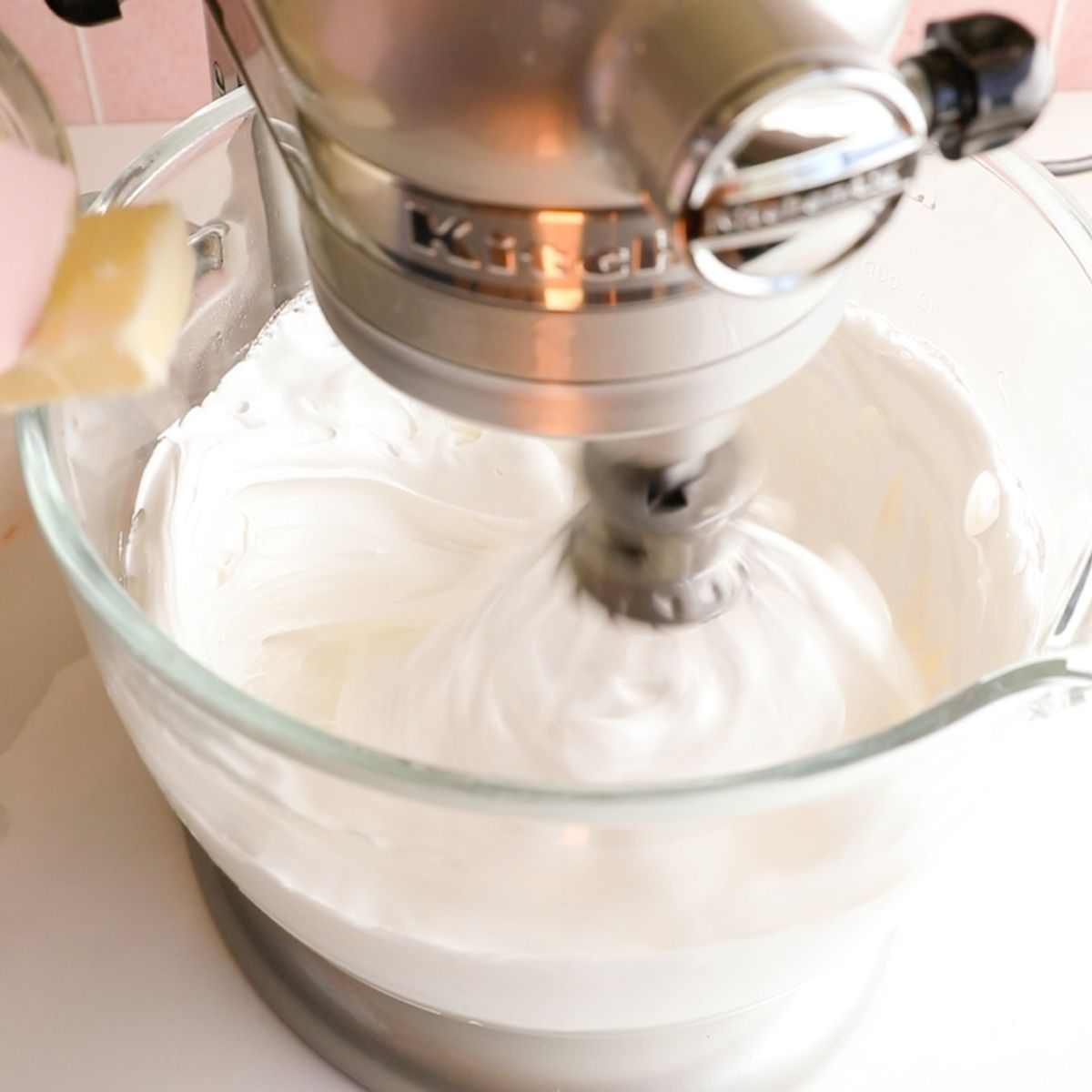
7. Add Butter: Mixing on low, slowly start adding the softened butter one tablespoon at a time, letting each piece combine before adding the next. If the frosting starts to get liquidy or soupy, put in the fridge for 15 minutes to firm up, then continue mixing/adding the butter. See troubleshooting section for more information.
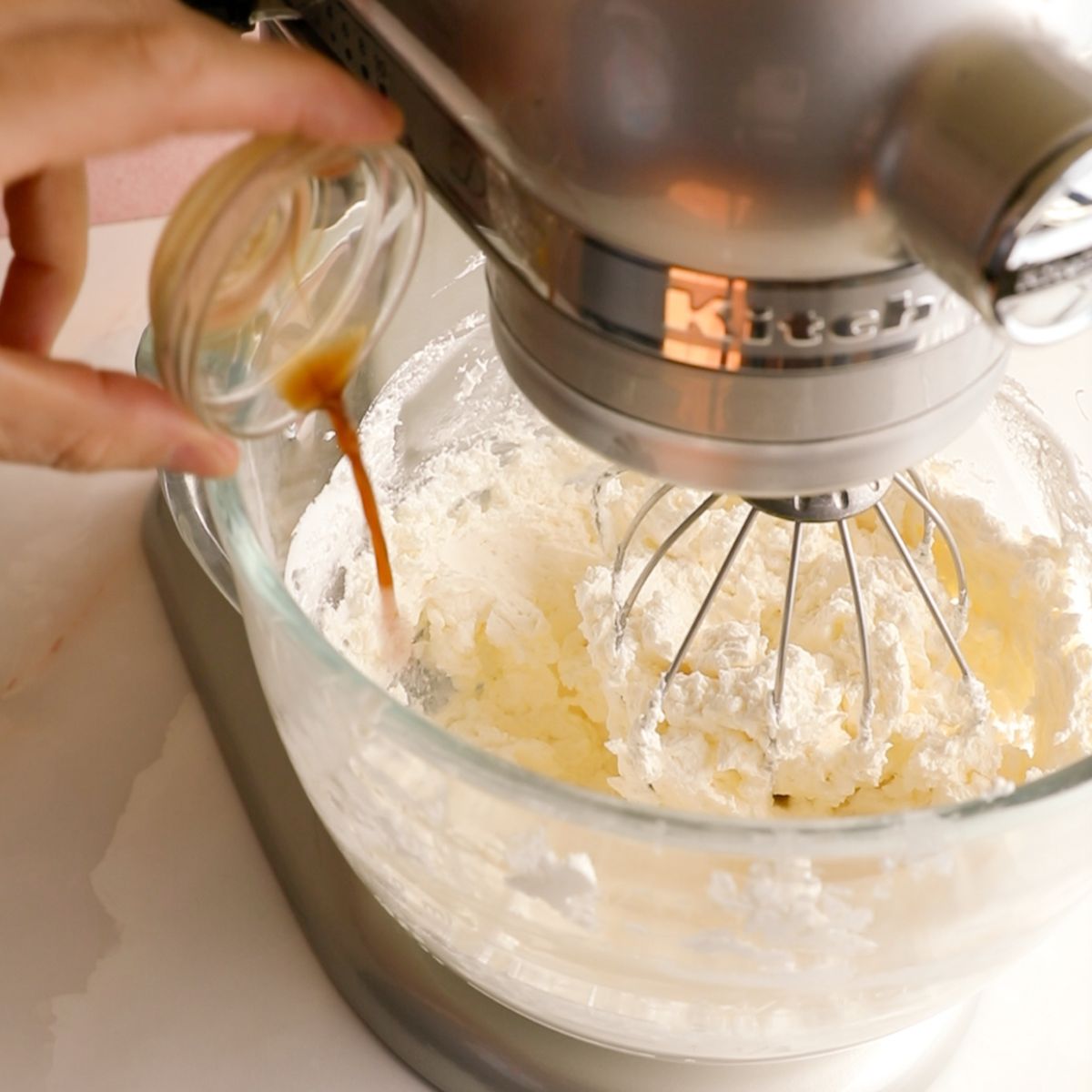
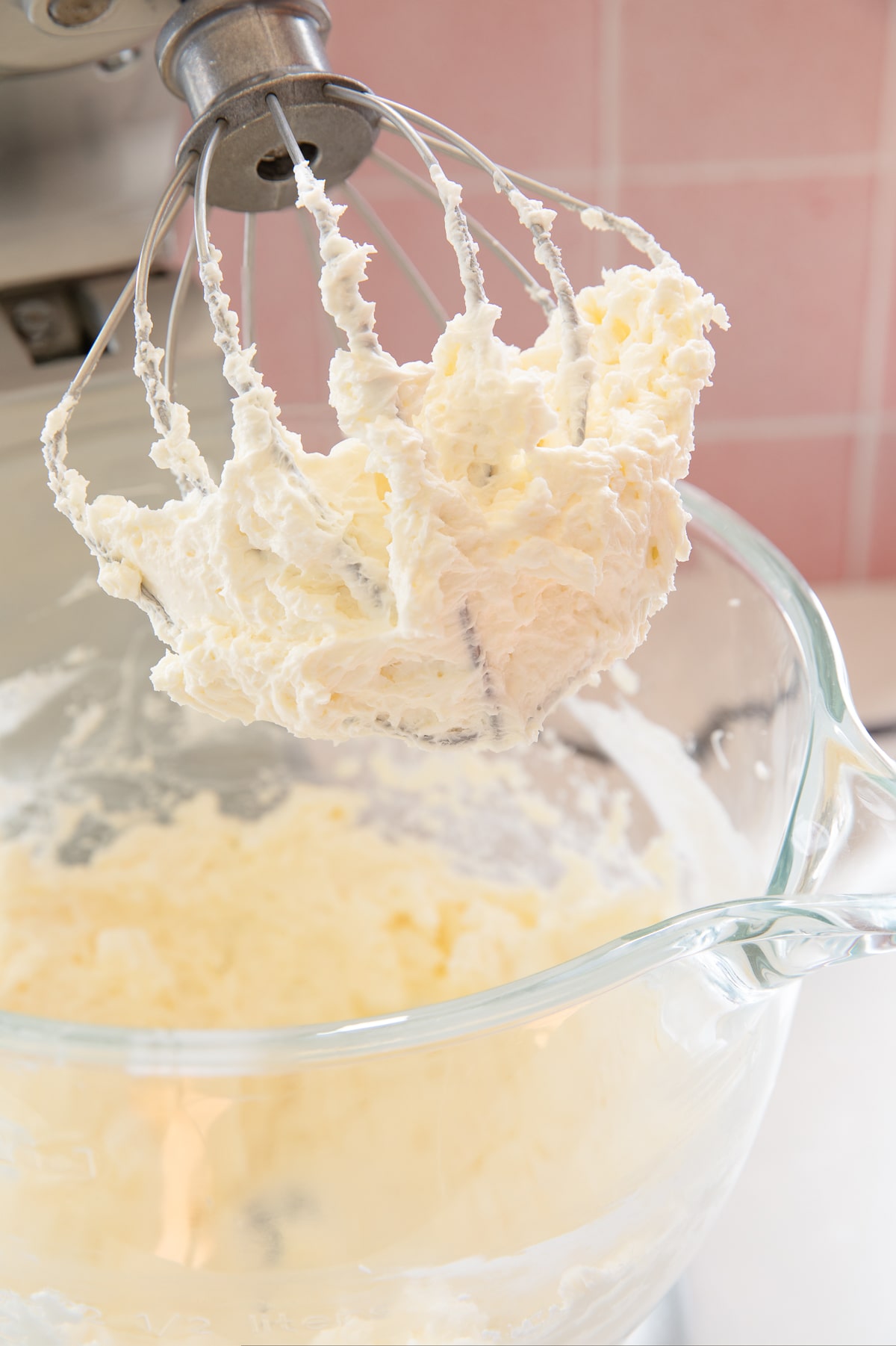
8. Whip and Enjoy: Once all the butter is combined, turn up the speed and continue mixing. Once the buttercream comes together, add the vanilla and mix until combined. Then the frosting is ready to use on your favorite dessert!
Tips and Tricks
- A Clean bowl matters: Make sure the mixer bowl and whisk are completely clean and grease-free so the egg whites whip properly.
- Watch texture, not just time: Soft peaks should gently fold over. Stiff, dry peaks can make it harder for the sugar syrup to incorporate.
- Make it sweeter and thicker: If you want a sweeter frosting, you can add up to ¼ cup more sugar. And, for a thicker, more buttery frosting, add up to one additional stick of butter.
- Stream syrup slowly: Pour the hot sugar syrup down the side of the bowl, not directly onto the whisk, to prevent splattering and clumping.
- Cool before butter: The meringue must be fully cooled before adding butter or the frosting can turn soupy.
- Soupy or curdled? Keep mixing: Meringue buttercream often looks broken before it comes together. Continue mixing and adjust the temperature as needed (see troubleshooting for more tips).
Troubleshooting & FAQ
A standing mixer is strongly recommended. This technique requires slowly streaming hot sugar syrup into whipped egg whites while mixing, which is difficult and unsafe to do with a hand mixer. A stand mixer allows you to pour the syrup steadily while the mixer runs, making the process easier, safer, and more reliable. If you don’t have a standing mixer, it helps to second person to mix the frosting while the other person pours the syrup.
Make sure there is no trace of egg yolks or oil in the bowl or on any utensils. Any oil can cause the egg whites not to whip up properly. To be safe, you can rub lemon juice or vinegar on your utensils and bowl to get rid of any possible oil or egg yolks.
And, be aware that boxed egg whites often do not whip like fresh egg whites.
If the egg whites haven't cooled enough before adding the butter, the frosting mixture can sometimes break and separate. It will look grainy, curdled or really soft and soup-like.
If this happens, don't worry! It's super common, especially if you don't switch to a beater attachment and continue mixing with a whisk attachment.
Just pop the whole bowl in the fridge for about 15-20 minutes to firm up. Then, continue mixing and adding the butter. It will eventually come together to a silky smooth consistency.
Yes, this is a great frosting to color with food coloring. I highly recommend using gel food coloring for more vibrant colors that won't throw off the texture with extra liquid you get in water food colors.
If you’re new to coloring frosting I have a whole post about coloring frosting for vibrant colors, with tons of tips and tricks.
Yes. Store in an airtight container and freeze for up to 2 months. Thaw overnight in the refrigerator, then bring to room temperature and rewhip until smooth.
No, it does not crust like American buttercream. It stays soft and silky on the outside, which makes it ideal for smooth finishes and detailed piping, but not for techniques that rely on a firm crust.
Fun Variations
This recipe is a great base for flavoring once it is fully mixed and smooth.
- Lemon: Gently fold in 1/2 cup homemade lemon curd for a bright, tangy buttercream that pairs beautifully with vanilla or berry cakes. Add a little at a time to avoid thinning the frosting.
- Nutella: Mix ½ cup Nutella into the finished buttercream.
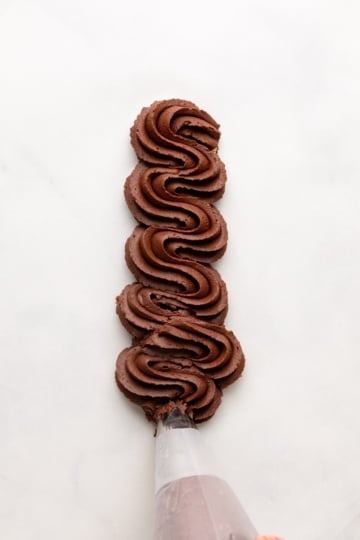
- Chocolate: Mix 1/2 cup melted and cooled chocolate into the finished frosting for a rich chocolate buttercream that stays light and silky.
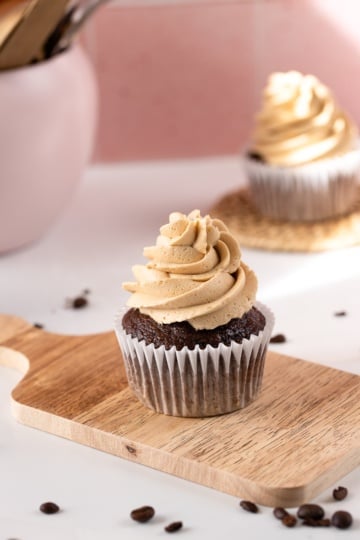
- Coffee: Dissolve 1 tbsp espresso powder in 1 tbsp hot water, then mix it in for a smooth coffee-flavored buttercream that works especially well with chocolate cakes and filling Coffee Macarons.
Tip: Always add flavorings at the very end, after the buttercream has fully come together, to keep the texture stable and smooth.
Frosting Cakes and Cupcakes
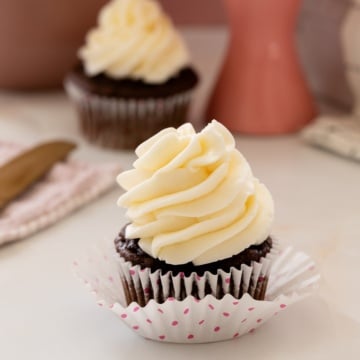
Italian meringue buttercream frosting is a favorite for wedding cakes, special occasion cakes and cupcakes, and cake decorating in general because it creates smooth, professional finishes and holds its shape well, particularly against heat.
This frosting recipe makes about 2½ to 3 cups of frosting, which is enough to frost 18-24 cupcakes (depending on how much you pipe) or evenly cover a 9×13-inch cake. If you are frosting a layer cake, plan to make 1½ to 2 times the recipe, depending on cake size, frosting thickness, and decorating technique.
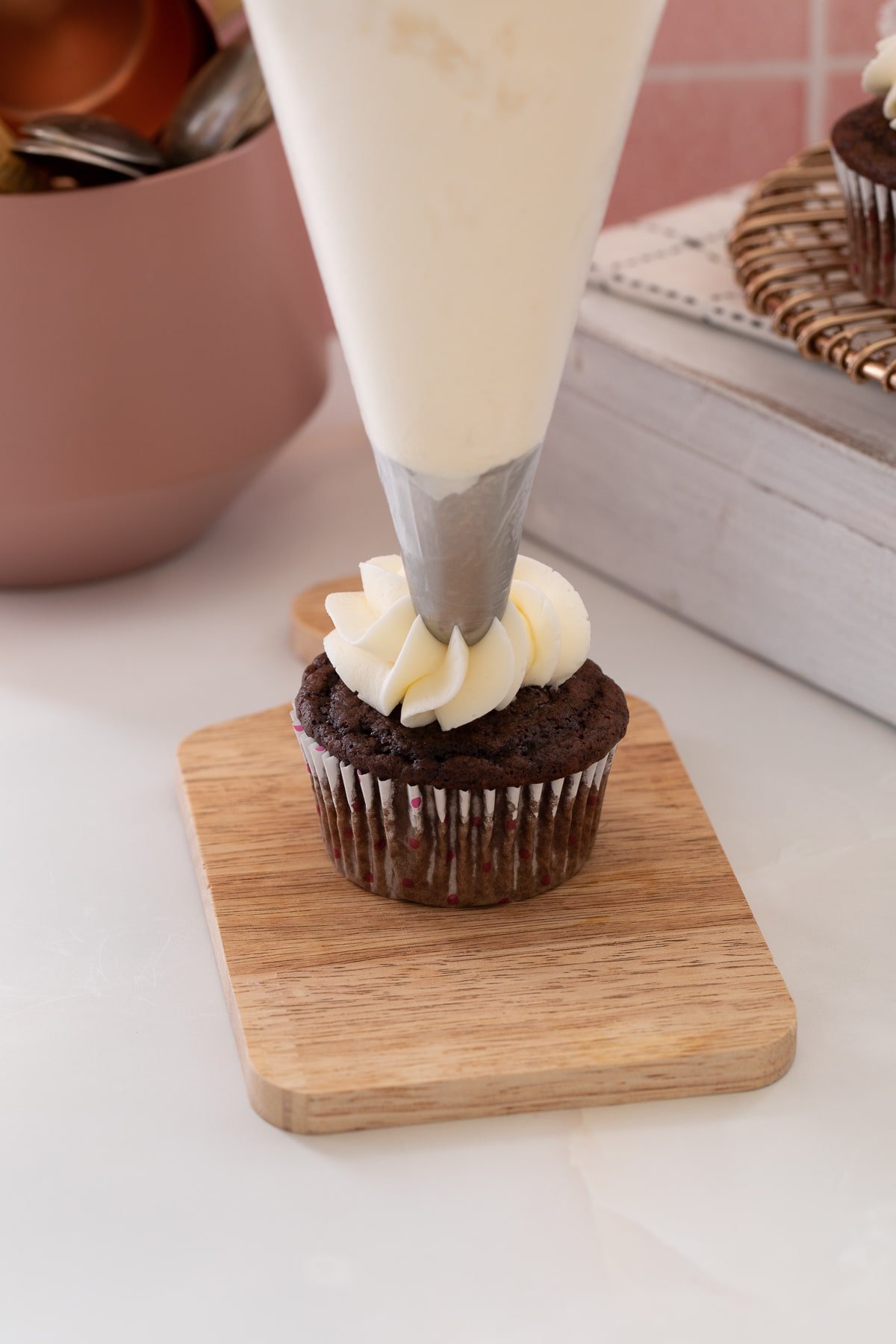
Because this frosting is light, smooth, and silky, it pipes exceptionally well and works beautifully for layer cakes, making rosette cakes, and piping frosting using piping bags and piping tips. It spreads smoothly for clean finishes and holds its shape for swirls and detailed designs.
Storing and Making Ahead
- Room temperature: Can sit at room temperature for up to 1 day.
- Refrigerator: Store in an airtight container for up to 1 week.
- Freezer: Freeze for up to 2 months in an airtight container.
To use after storing, thaw frozen buttercream overnight in the refrigerator. Then, bring it to room temperature and rewhip until smooth before frosting.
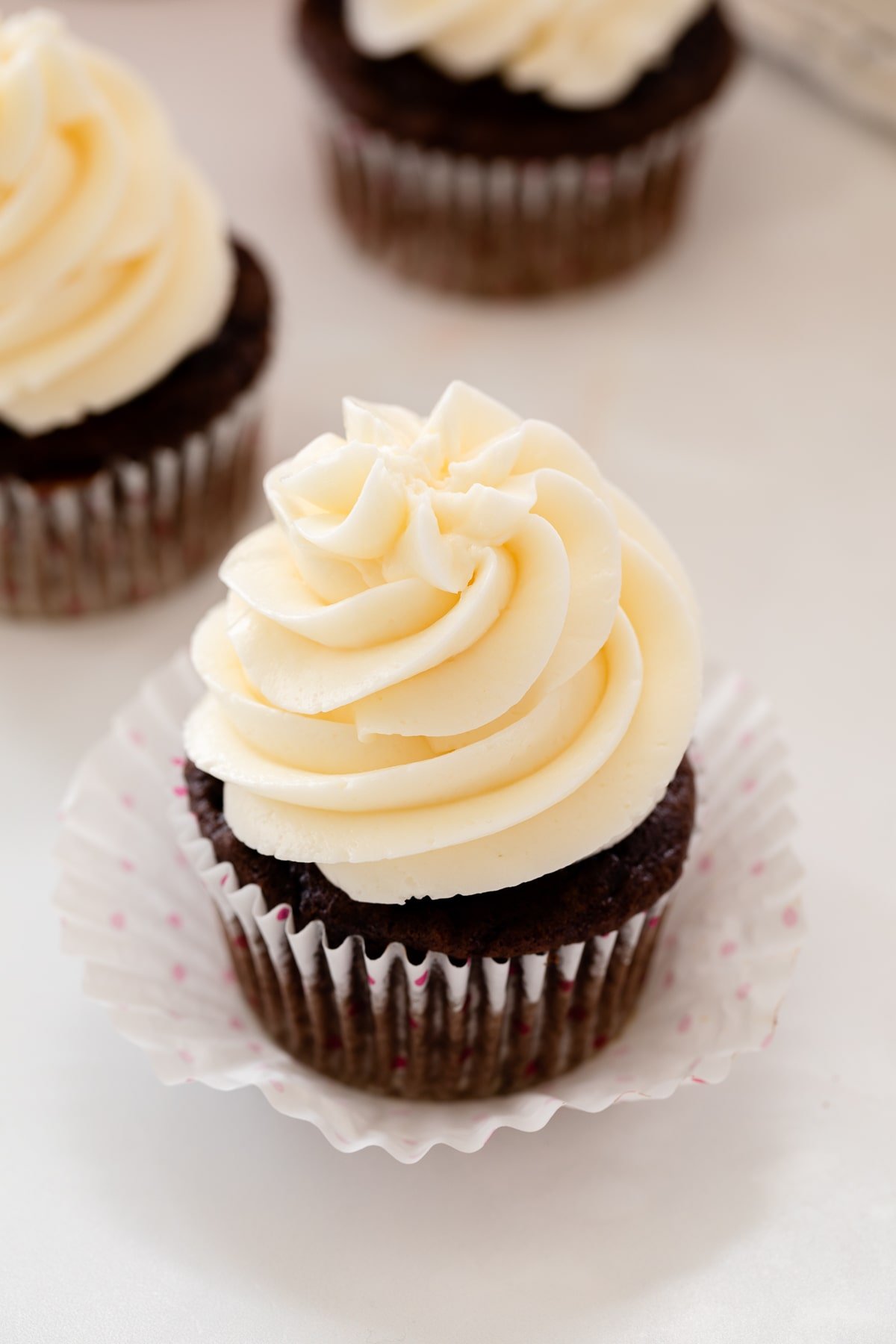
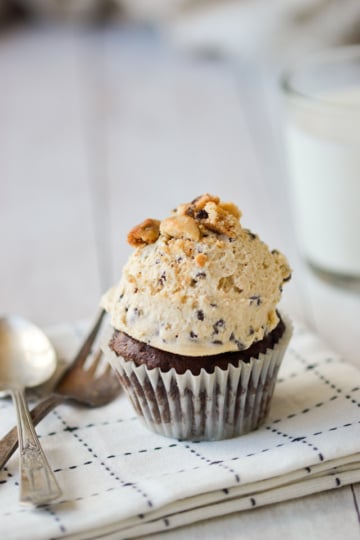
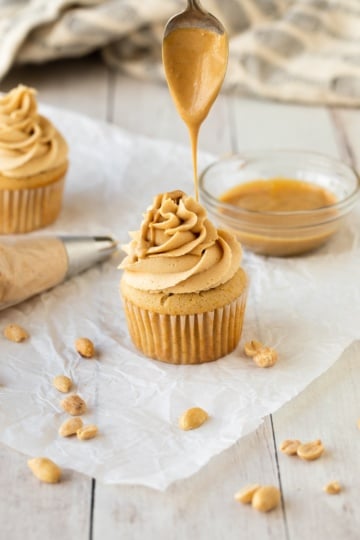
More Frosting Recipes
You can also explore the best vanilla frosting recipes to compare different vanilla frosting styles, textures, and sweetness levels.
WANT TO JOIN THE PARTY? Subscribe to my newsletter and follow on Tik Tok, Pinterest, Instagram, and Facebook for all the latest recipes!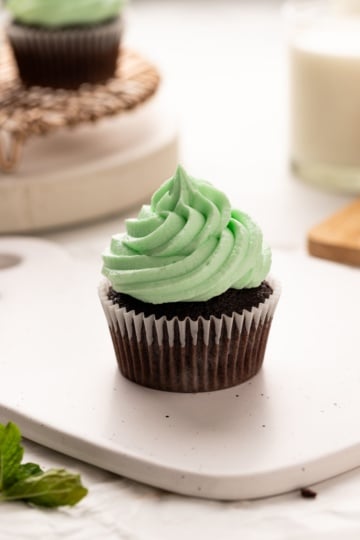
Italian Meringue Buttercream Frosting
Equipment
- Standing Mixer
INGREDIENTS
- 4 egg whites 4 oz
- 1/4 tsp cream of tartar
- 1 cup cup sugar divided
- 1 cup unsalted butter, softened cut into 1 tbsp pieces, see notes for using salted
- ¼ cup water
- ¼ tsp salt
- 1 tsp vanilla
Instructions
- In the bowl of a standing mixer with a whisk attachment, add eggs, and cream of tartar. Mix on medium until frothy and then slowly add ¼ cup of sugar.
- Turn to medium high and mix until soft peaks form.
- While whipping the egg whites, start heating the sugar syrup. You want them both done about the same time, so if the egg whites reach soft peaks prior to the sugar syrup reaching the right temperature, turn the speed to the lowest setting and continue mix until the syrup is done.
- To make the sugar syrup, add the remaining 3/4 cup of sugar and water to a medium saucepan. Stir to combine.
- Cook a few minutes over low heat until the sugar is dissolved the sugar syrup looks clear.
- Once the sugar dissolved, turn the heat up to medium high and heat the sugar syrup without stirring until it reaches 235-240 ℉.
- Once it hits the right temperature immediately remove from heat.
- While mixing the egg whites on low, very slowly and carefully pour in the hot sugar syrup.
- Once you've added all the sugar syrup to the egg whites, turn up the speed to medium to medium high and continue whipping the egg whites until they cool down completely and no longer warm to the touch, about 10-15 minutes.
- Once the egg whites have cooled, starting adding the softened butter one tablespoon a time, making sure each piece is combined before adding the next.
- Also, switching to the paddle attachment at this time can help keep the buttercream from breaking or curdling, but is not necessary.
- Continue mixing until the buttercream comes together to a silky smooth frosting. If the frosting starts to turn liquid or soupy, put in the fridge for 15 minutes to firm up, then continue mixing. See troubleshooting for more info.
- Once the buttercream comes together to form a smooth frosting, add the vanilla and salt and mix until combined. Then the frosting is ready to use on your favorite cakes and desserts.
Notes
- If using salted butter, omit extra salt or decrease to just a pinch.
- Make sure there are no egg yolks or any oil in the bowl or utensils used to mix the egg whites. This can cause the egg whites to not whip up properly.
- If you want a sweeter frosting, you can add up to ¼ cup more sugar.
- You can add up up to another stick of butter. I personally prefer only two stick of butter, I think its more marshmallow like and light but adding more will give it a thicker, more buttery flavor and texture.
- Switching to a paddle attachment before adding the butter can help keep it from curdling/turning soupy. It’s not necessary though, if it does turn liquid you can always put in the fridge to firm up.

Angie says
Will this work for cake filling between layers?
Sophia says
Yes, it’s great for layer cakes.